전라남도 장흥군은 한국의 아름다운 남부 지역에 자리잡고 있습니다. 이곳에는 역사적 유적지와 함께 아름다운 자연경관이 펼쳐져 있어 여행객들에게 큰 사랑을 받고 있습니다. 트립비토즈에서 장흥군의 매력적인 호텔과 여행지를 찾아보세요.

장흥군 - 트립비토즈

장흥 추천 호텔 19곳
169개 중 예약 가능 19개
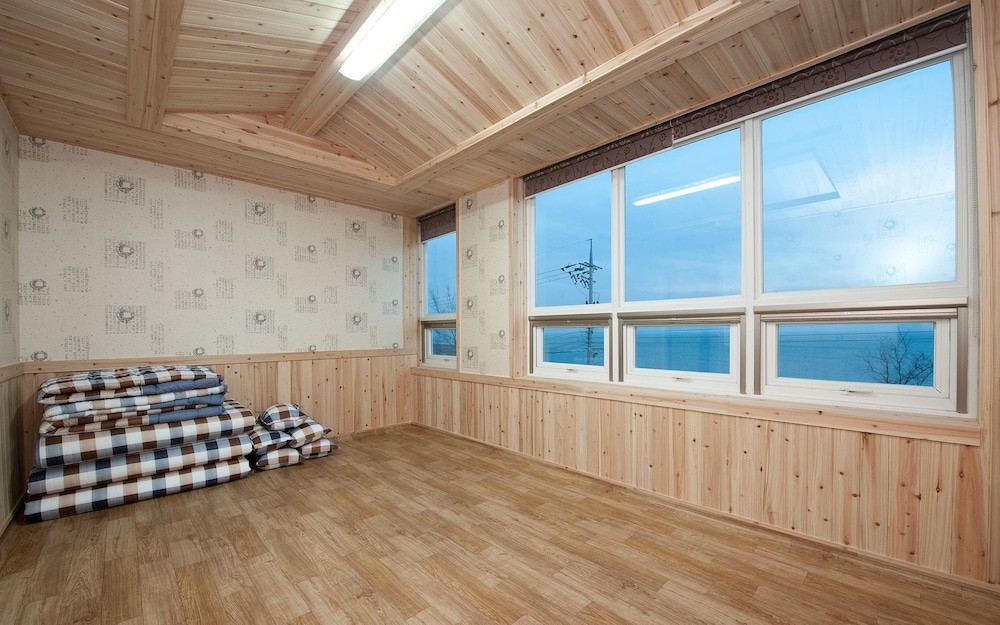
일출여다지펜션
2.5성급 ·Sunrise Yeodaji Pension장흥군, 전라남도
장흥군, 전라남도
 2.1/5
2.1/5 21앱 할인 2,555원
 이 가격 남은 객실 1개
51,109원
부터~총 요금 51,109원 (세금 포함)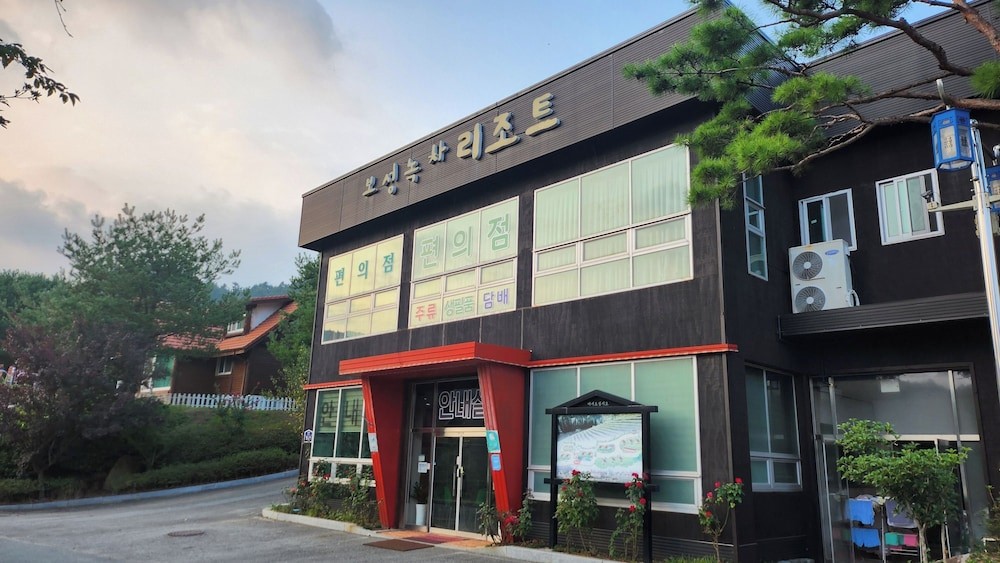
보성녹차리조트
3성급 ·Nokcha Resort보성군, 전라남도
보성군, 전라남도
4/5101앱 할인 3,962원이 가격 남은 객실 2개79,243원
부터~총 요금 79,243원 (세금 포함)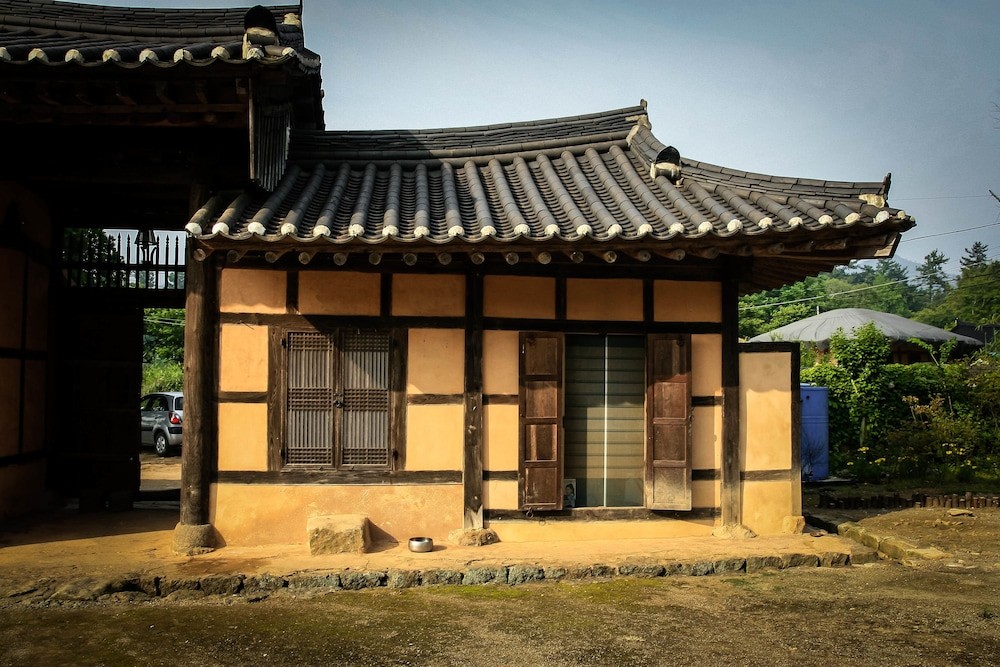
보성이진래고택
2.5성급 ·Yi Jin-rae's Historic House보성군, 전라남도
보성군, 전라남도
4.8/589앱 할인 5,841원이 가격 남은 객실 1개116,829원
부터~총 요금 116,829원 (세금 포함)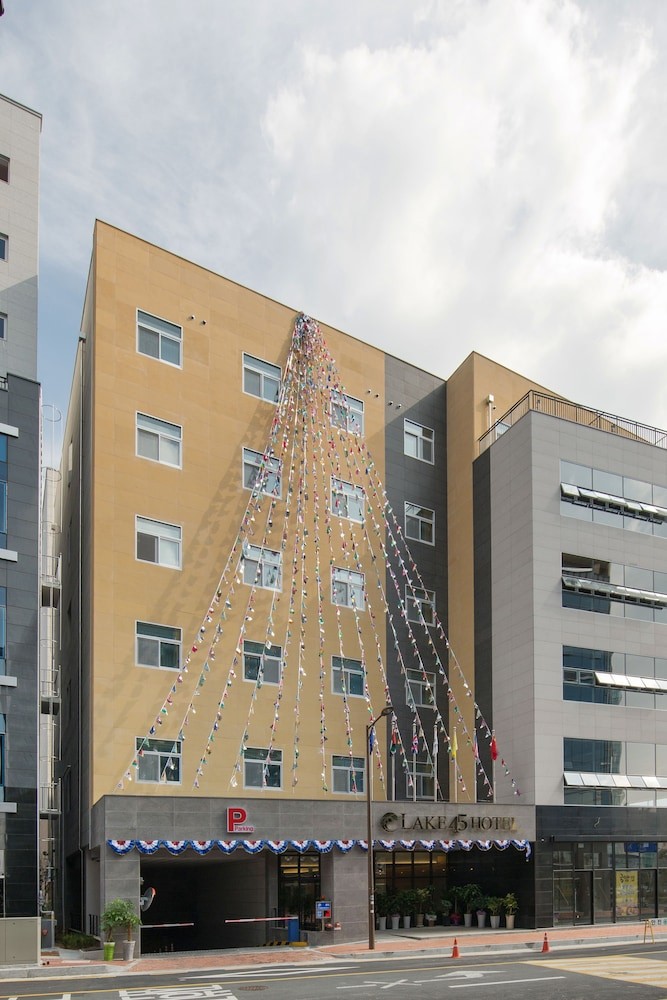
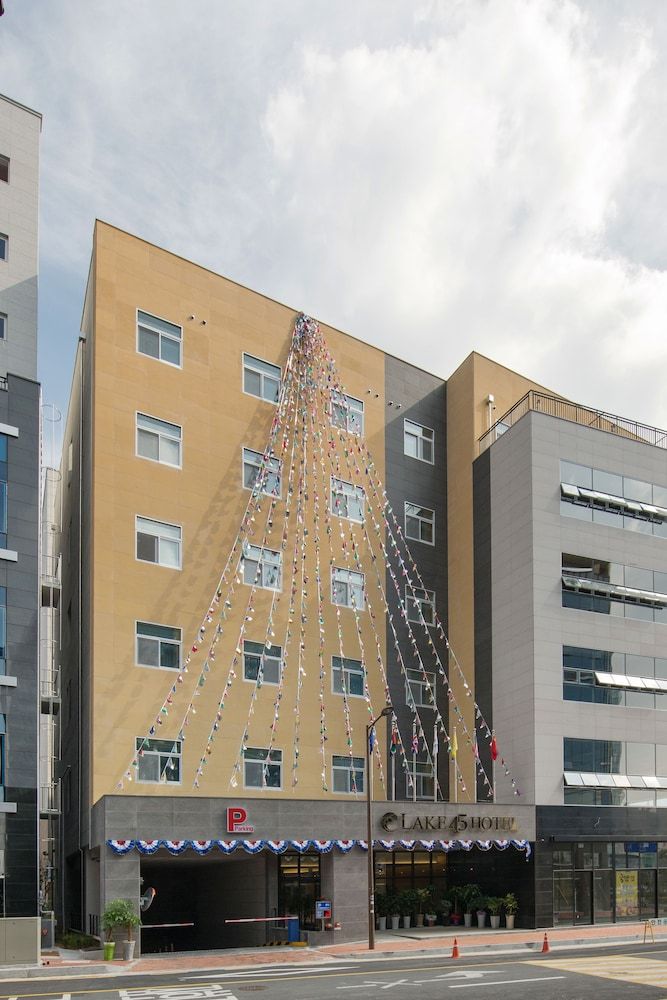
레이크45호텔
2.5성급 ·Lake45 Hotel나주시, 전라남도
나주시, 전라남도
4.3/5456앱 할인 2,477원49,545원
부터~총 요금 49,545원 (세금 포함)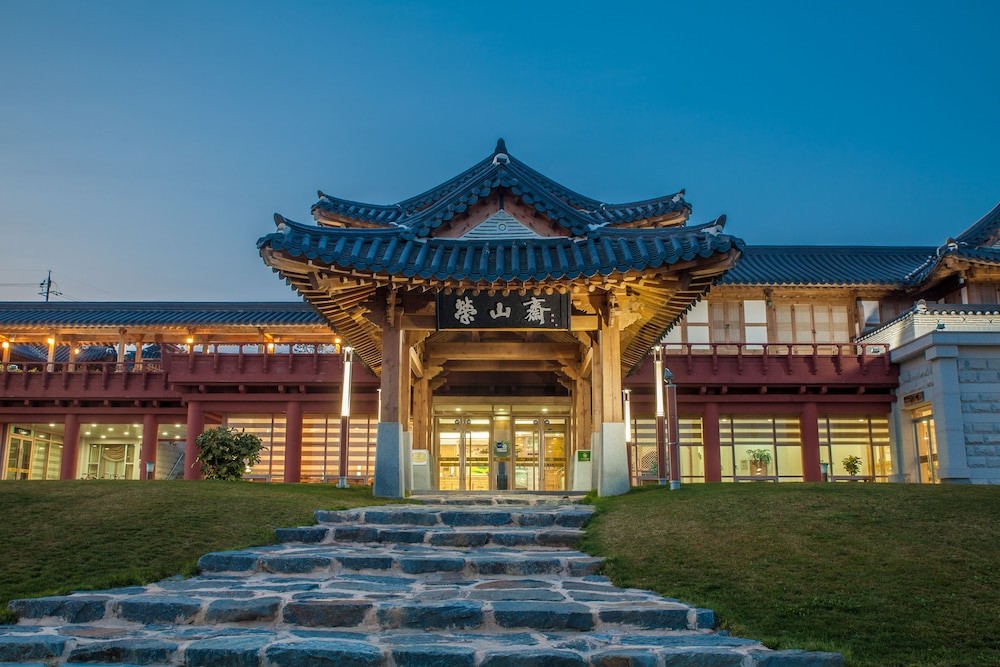
한옥 호텔 영산재
3.5성급 ·Hanok Hotel Youngsanjae영암군, 전라남도
영암군, 전라남도
4.3/5252 2앱 할인 5,951원
119,038원
부터~총 요금 119,038원 (세금 포함)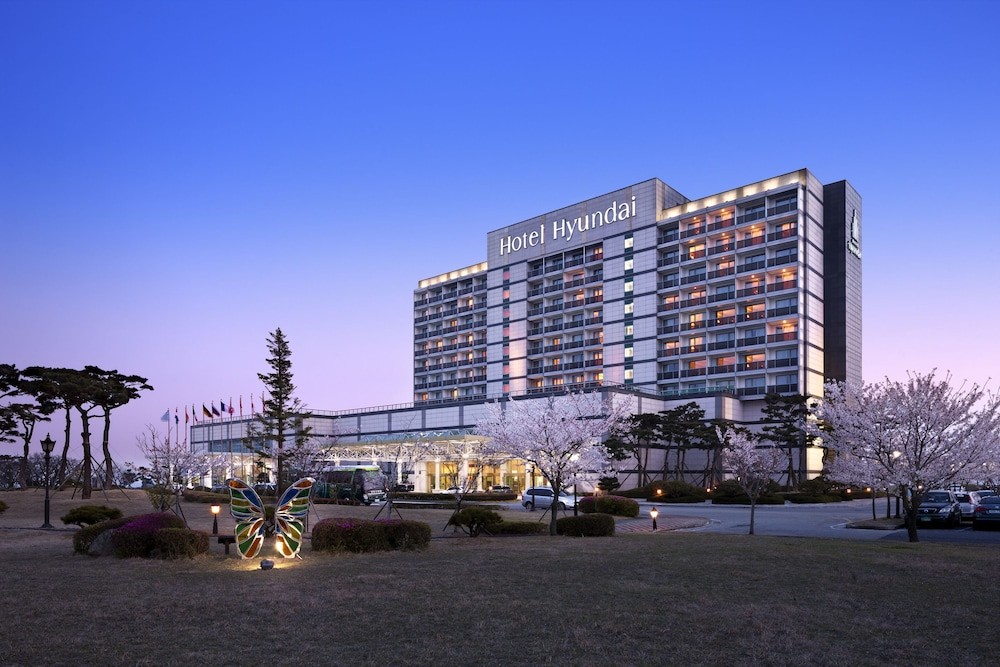
호텔현대 바이 라한 목포
4성급 ·Hotel Hyundai by Lahan Mokpo영암군, 전라남도
영암군, 전라남도
4.2/51,02137앱 할인 6,120원연박 할인
122,400원
부터~총 요금 122,400원 (세금 포함)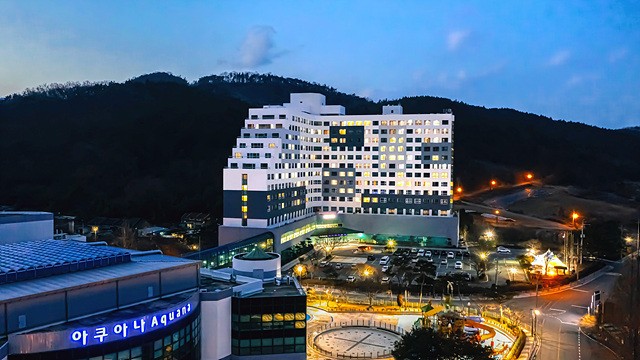
금호 화순 스파 리조트
4성급 ·Kumho Hwasun Spa Resort화순군, 전라남도
화순군, 전라남도
4.1/52139앱 할인 3,736원74,721원
부터~3시간 전 예약됐어요!총 요금 74,721원 (세금 포함)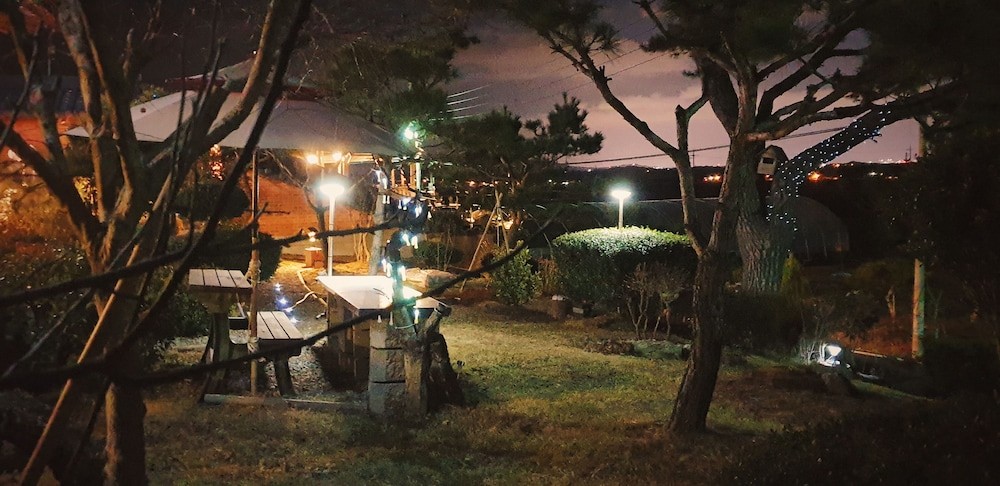
소나무정, 한옥으로 잇다
2.5성급 ·Hanok Itda나주시, 전라남도
나주시, 전라남도
3/52앱 할인 4,531원이 가격 남은 객실 1개90,631원
부터~총 요금 90,631원 (세금 포함)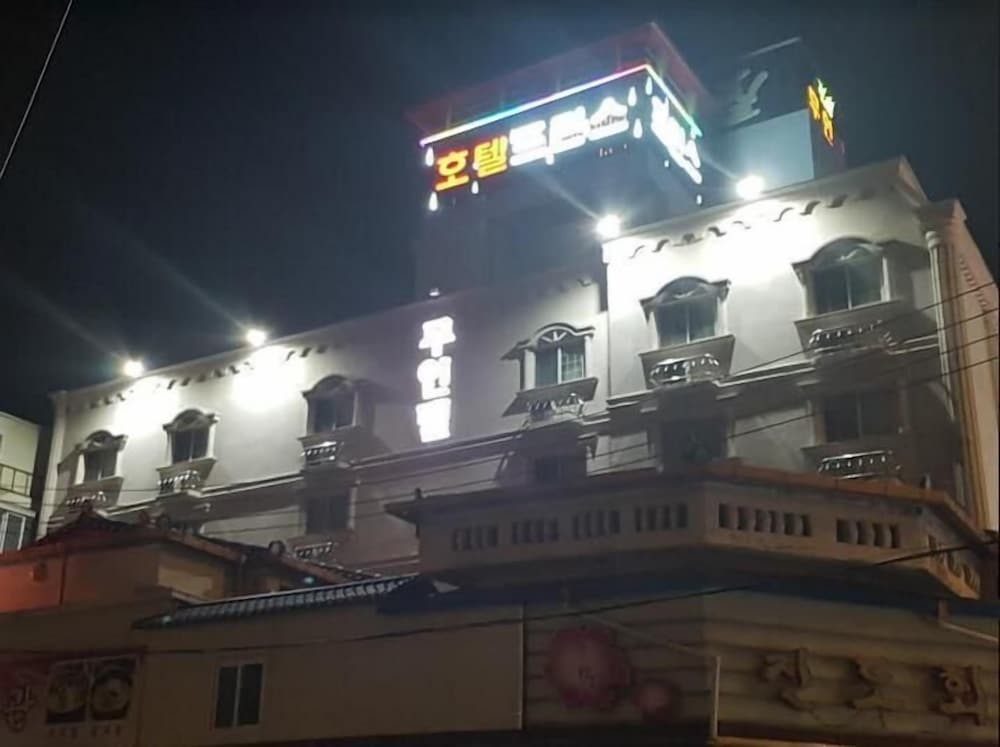
프린스 모텔
2.5성급 ·Prince Motel남구, 광주광역시
남구, 광주광역시
2.9/523앱 할인 1,749원26%47,175원34,981원
부터~총 요금 34,981원 (세금 포함)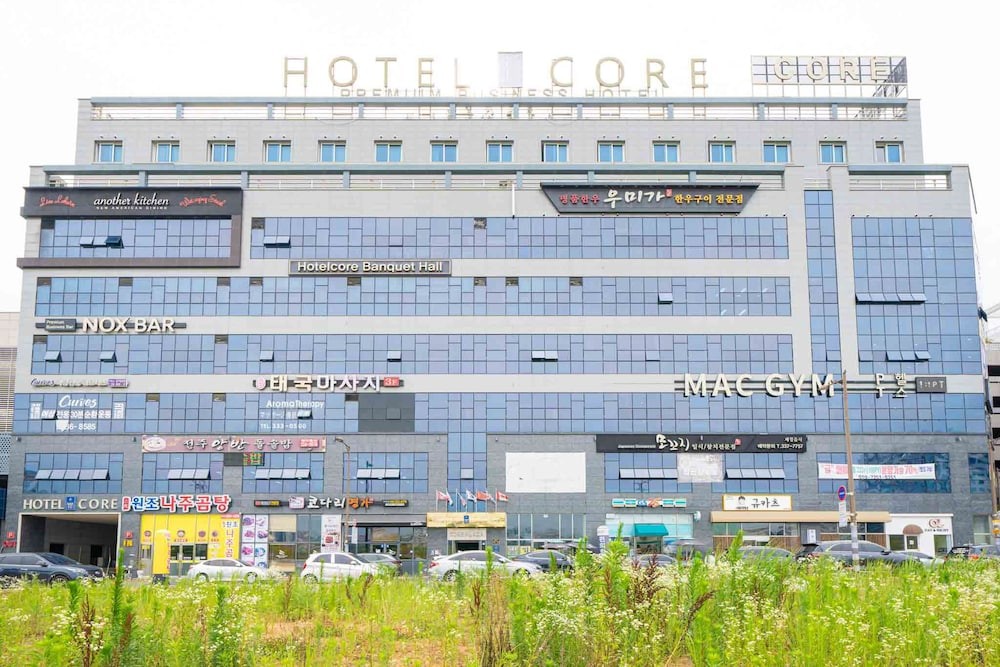
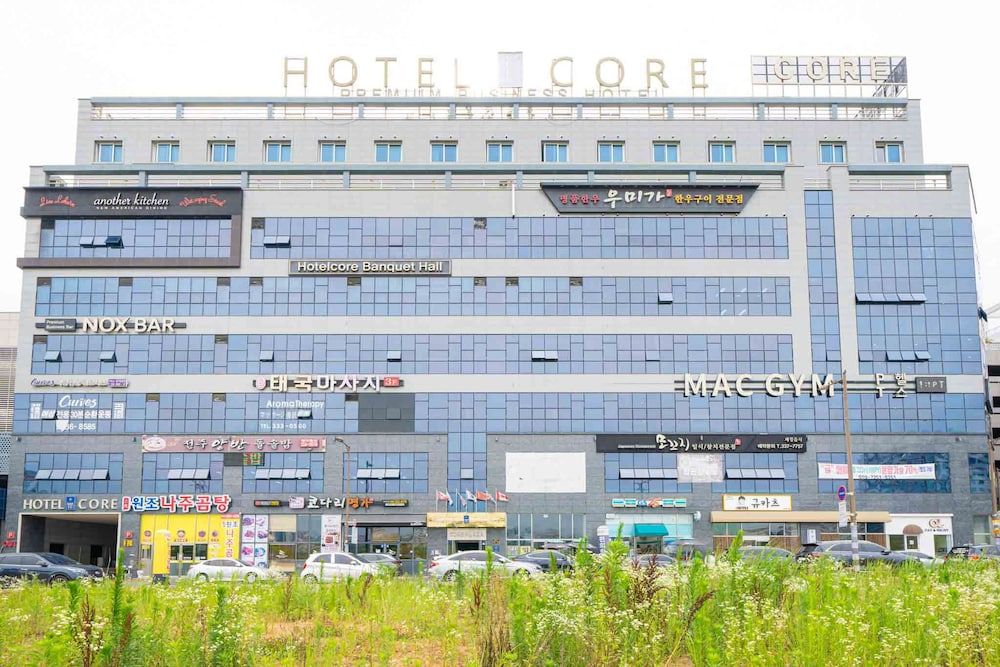
호텔코어
2.5성급 ·HOTEL CORE나주시, 전라남도
나주시, 전라남도
4.4/51623앱 할인 2,476원49,526원
부터~총 요금 49,526원 (세금 포함)

장흥 여행자들의 생생한 이야기
숙소 후기부터 여행 꿀팁까지, 트립비토즈 여행자들이 직접 공유해요
리얼투숙
해남여행 최고의선택
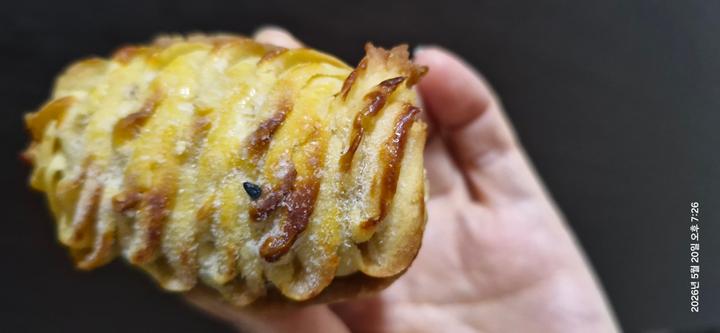
써던힐호텔은 위치가 정말 좋아요 매일시장이 걸어서 10분정도여서 명물 고구마빵으로 유명한 피낭시에 빵집에서 아침식사후 커피와 타르트 맛있게 먹었고요 써던힐도 조식은 8천원 난 저렴했지만 아 저희는 매일시장에서 생선구이 아침식사후 바로 옆 피낭시에 커피가 좋아서 조식신청은 안했어요 호텔은 편안하고 깨끗한 침대가 좋았고 위치가 좋았어요
@kyg601025
리얼투숙
가족여행으로 만족
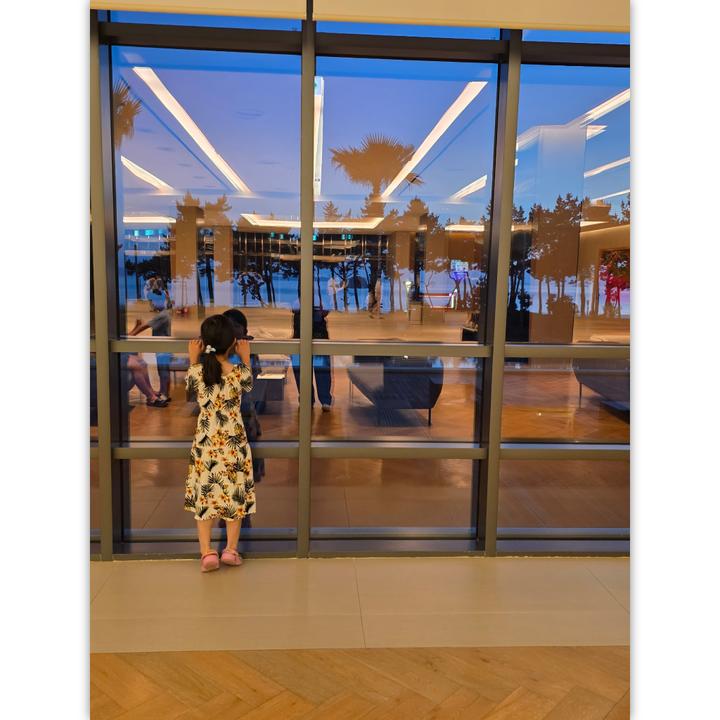
조금더 일찍 노을을봤으면하는 아쉬움 다음번엔 부지런히 움직여야지ㅎㅎ 룸컨디션은 생각보다 별로였다 바닥에 모래가루도 밟혔고 로비며 각층 화장실엔 뒷일확인하지않는 이들로인해 변기마다 종종더러움이있었다 그외엔 만족 아이들도 만족한여행 조식도디너도 깔끔하니 좋았고 가끔 세프님이 나오셔서 아이들에게 웃으며 친절하게 많이먹고 건강히자라라고 말씀해주시는말투에 진심이느껴지는 좋은기억이 더많았던곳 다시한번재방문하고싶은 우리의휴식호캉스였다
@llbmwll3964
리얼투숙
최곱니다
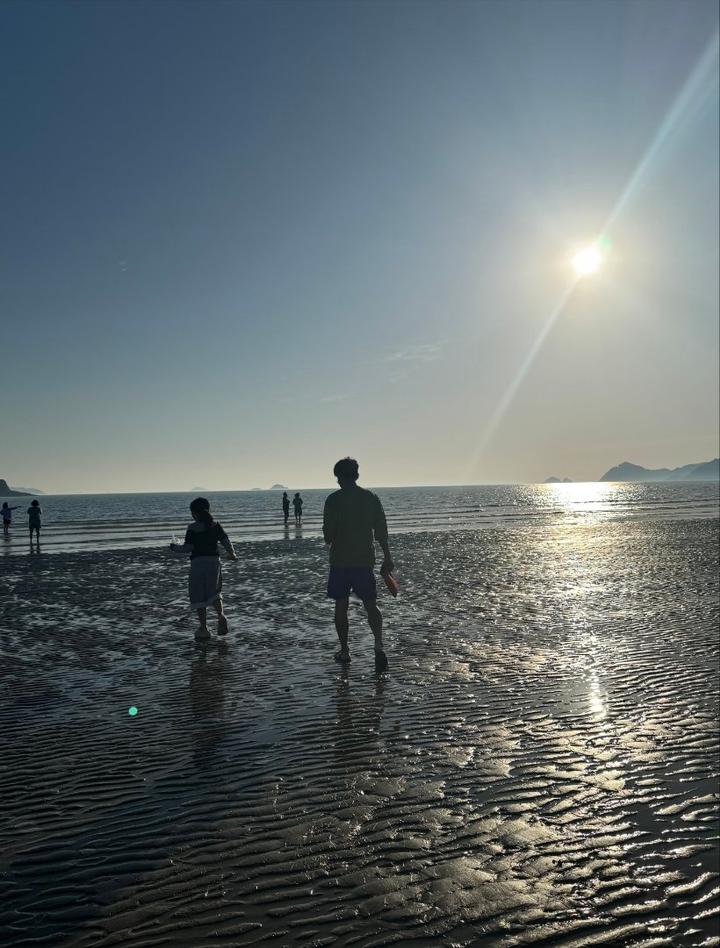
아이들과 함께 씨원리조트 자은도로 1박 2일 가족여행을 다녀왔습니다. 리조트 입구에 들어서는 순간 가장 먼저 눈에 들어온 것은 시야를 가로막는 것 없이 펼쳐지는 탁 트인 풍경이었습니다. 넓은 창 너머로 소나무 숲과 수영장, 바다가 한눈에 들어오는데 도착하자마자 여행지에 제대로 왔다는 느낌이 들었습니다. 객실에서도 바다와 섬 풍경을 여유롭게 바라볼 수 있었고, 전체적으로 깔끔해서 아이들과 편안하게 머물기 좋았습니다. 아이들은 수영장에서 시간 가는 줄 모르고 신나게 놀았고, 해가 조금씩 기울 무렵에는 바닷가로 나가 잔잔한 파도와 갯벌을 즐겼습니다. 햇빛이 바다 위로 길게 내려앉은 풍경이 특히 인상적이었습니다. 무리하게 일정을 채우지 않아도 충분히 좋았습니다. 함께 물놀이를 하고, 같은 풍경을 바라보고, 객실에 돌아와 편하게 쉬는 시간까지 모두 여행의 한 장면처럼 느껴졌습니다. 짧은 1박 2일이었지만 아이들과 좋은 추억을 남기기에 충분했던 곳입니다. 탁 트인 전망과 여유로운 분위기를 좋아한다면 가족여행지로 추천하고 싶습니다. 다음에는 조금 더 여유 있게 머물러 보고 싶습니다.
@xu8709
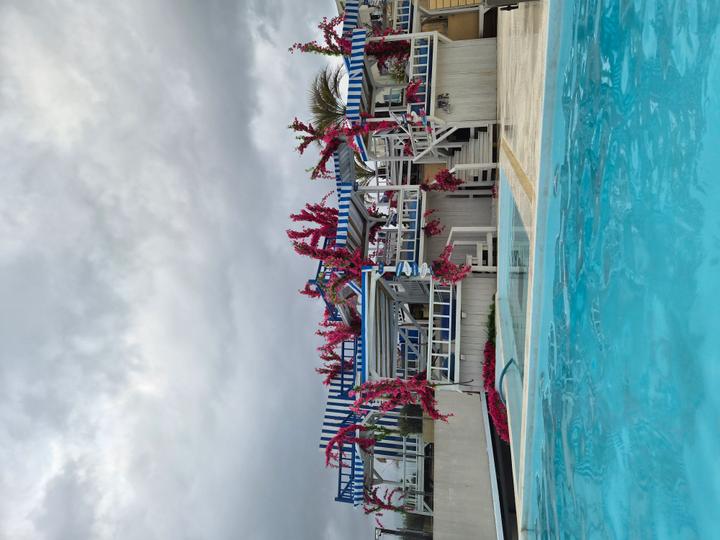
리얼투숙
벚꽃과 함께한 여수여행
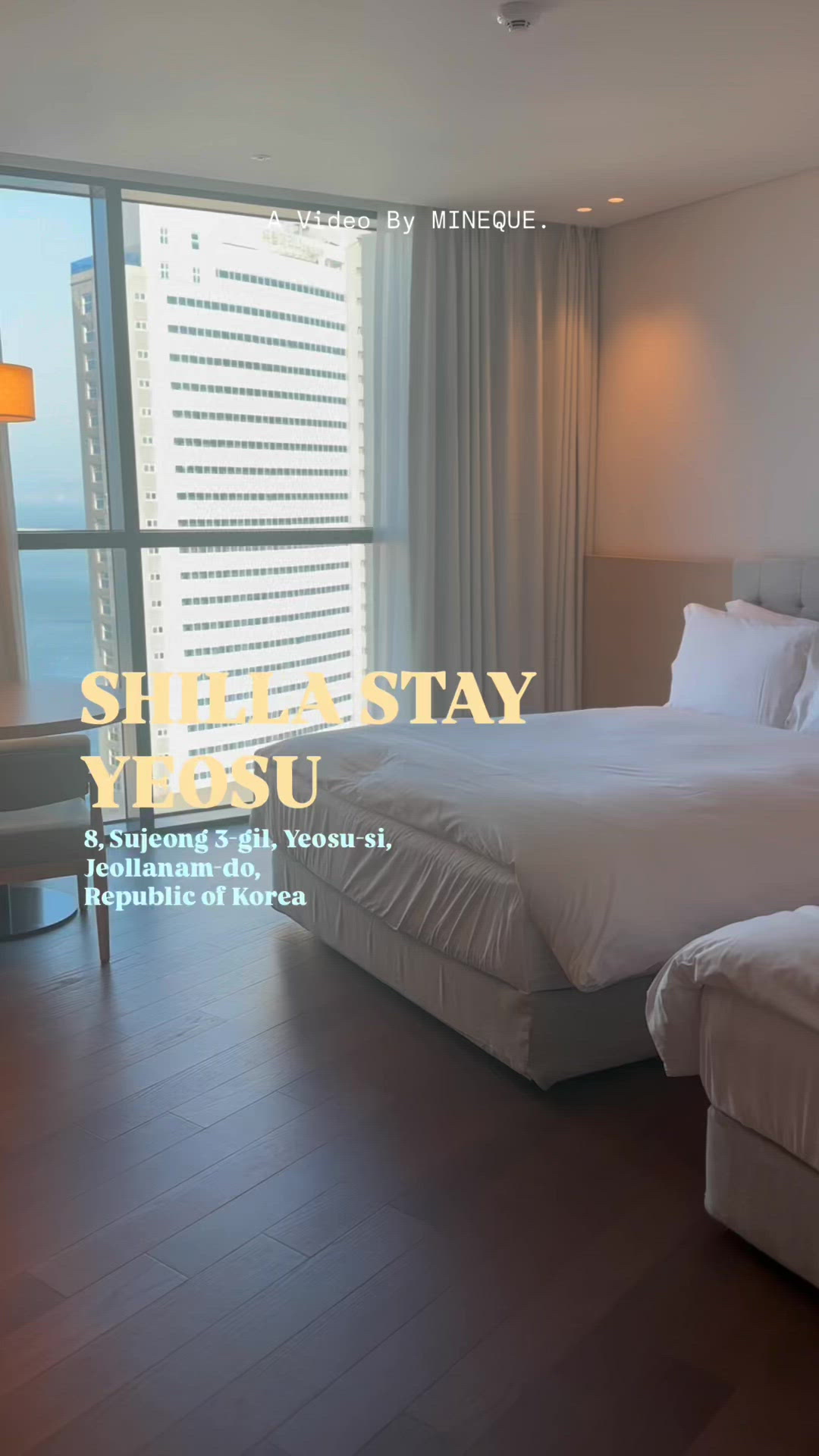
친구와 1박 2일로 다녀온 여수 여행 🌊 사실 이번 여행은 관광보다도 이 숙소 때문에 계획했다고 해도 될 정도였는데, 기대 이상으로 만족하고 왔어요. 오픈한지 얼마 안 된 곳이라 전체적으로 정말 깔끔했고, 배정받은 객실도 웬만한 고급 리조트 못지않게 넓고 쾌적해서 들어가자마자 감탄✨ 무엇보다 좋았던 건 단순히 잠만 자는 숙소가 아니라 호캉스를 제대로 즐길 수 있게 놀거리, 먹거리, 즐길거리까지 잘 갖춰져 있다는 점! 특히 오션뷰 인피니티풀은 사진으로 봤던 것보다 실제 분위기가 훨씬 좋았어요. 4월에 방문해서 물 온도가 살짝 미지근했던 건 조금 아쉬웠지만, 그 아쉬움이 잊힐 만큼 바다 뷰가 정말 멋졌습니다 🌅 여수에서 감성 숙소 + 호캉스 제대로 즐기고 싶다면 추천하고 싶은 곳👌
@sosohan_trip
장흥 호텔에 관한 FAQ(자주 묻는 질문)
장흥군의 대표적인 관광지는 어디인가요?
장흥군의 대표적인 관광지로는 국내 최대 편백나무 숲인 장흥편백숲, 청정 자연을 품고 있는 장흥 정남진장욱진을 들 수 있습니다. 이 외에도 천관산과 불회사, 장흥 유물 전시관 등 다양한 볼거리가 있습니다.장흥군의 기후와 여행 시기는 어떤가요?
장흥군의 기후는 전형적인 온대 기후로, 봄과 가을이 가장 좋은 여행 시기입니다. 3~5월에는 온화한 날씨와 아름다운 벚꽃을 감상할 수 있고, 9~11월에는 시원한 날씨와 함께 단풍 명소를 즐길 수 있습니다.장흥군까지 어떻게 이동하나요?
장흥군은 광주광역시에서 약 2시간 거리에 있습니다. 광주에서 버스로 1시간 30분 정도 소요됩니다. 또한 고속철도인 KTX를 이용해 서울에서 약 3시간 30분 만에 도착할 수 있습니다.장흥군의 대표 음식은 무엇인가요?
장흥군의 대표 음식으로는 장흥 표고버섯, 장흥 한우, 장흥 돼지고기 등이 유명합니다. 특히 장흥 표고버섯은 깊은 향과 담백한 맛으로 많은 사랑을 받고 있습니다.장흥군의 평균 호텔 가격은 어떤가요?
장흥군의 평균 호텔 가격은 1박 기준 8만원에서 15만원 사이입니다. 호텔 등급, 부대시설, 위치 등에 따라 가격 차이가 있습니다. 트립비토즈에서 다양한 옵션의 호텔을 비교해 보시는 것이 좋습니다.장흥군에서 공항이나 기차역까지 이동할 수 있나요?
장흥군 인근에는 무안국제공항과 광주공항이 있습니다. 이 공항들에서 장흥군까지는 약 1시간 30분 정도 소요됩니다. 또한 KTX 정차역인 나주역과 목포역에서도 장흥군까지 편리하게 이동할 수 있습니다.
장흥군의 주요 관광지
역사, 자연, 문화를 품고 있는 아름다운 명소들
장흥편백숲
중심가에서 약 30분 거리국내 최대 편백나무 숲으로 청정 자연을 만끽할 수 있는 힐링 명소입니다.
정남진장욱진
중심가에서 약 1시간 거리펼쳐진 광활한 갯벌과 푸른 바다가 어우러져 있는 아름다운 해안 관광지입니다.
천관산
중심가에서 약 40분 거리수려한 자연경관과 함께 불회사, 천관사 등 많은 문화유산을 품고 있는 명산입니다.
불회사
중심가에서 약 40분 거리천관산 자락에 자리잡은 고찰로, 아름다운 전경과 오랜 역사를 자랑합니다.
장흥 유물 전시관
중심가 인근장흥군의 역사와 문화를 보여주는 다양한 유물들이 전시되어 있는 박물관입니다.
장흥 향교
중심가 인근조선시대 유학 교육기관인 향교가 보존되어 있어 역사적 가치가 높습니다.
덕도
중심가에서 약 1시간 거리청정 해역과 아름다운 해안선을 자랑하는 섬으로, 천혜의 자연경관을 감상할 수 있습니다.
장흥 동천 유채 꽃밭
중심가에서 약 30분 거리장흥의 봄을 알리는 동천 유채 꽃밭은 아름다운 노란 물결이 압권입니다.
장흥군의 월별 기후
1~2월3~10°C
겨울철 기온이 낮고 건조한 편입니다. 눈이 가끔 내리기도 합니다.
💡 방한 의류와 따뜻한 숙박시설이 필요합니다.
3~4월8~16°C
봄철 평균 기온으로 맑고 선선한 날씨가 이어집니다. 벚꽃 개화 시기입니다.
💡 봄꽃 감상과 함께 편안한 여행을 즐기기 좋습니다.
5~6월15~23°C
여름으로 가는 과도기로 온화한 날씨가 지속됩니다. 가끔 비가 내릴 수 있습니다.
💡 경쾌한 여름 옷차림으로 여행하기 좋습니다.
7~8월23~30°C
본격적인 여름 날씨로 덥고 습한 편입니다. 태풍이 지나가기도 합니다.
💡 물놀이 등 여름 활동을 즐기기에 좋습니다.
9~10월16~22°C
가을로 접어들며 선선한 날씨가 지속됩니다. 단풍 명소 방문에 좋습니다.
💡 시원한 가을 날씨를 만끽하며 여유로운 여행을 즐기세요.
11~12월6~15°C
겨울이 다가오며 기온이 점차 낮아지고 건조해집니다.
💡 따뜻한 숙박시설과 방한용품 준비가 필요합니다.